




Contamination Control: Safeguarding Aseptic Filling of Pre-Poured Microbial Culture Media
Aseptic filling of pre-poured microbial culture media demands meticulous contamination control to ensure product sterility and reliability. In environments where even a single viable particle can compromise quality, a robust contamination control strategy (CCS) is paramount. BiomatiQ has built its operations around these very principles—demonstrating how compliance translates into consistent quality. Let’s delve into the critical aspects of CCS, particularly focusing on the Grade B cleanroom surrounding the filling operation.
The Challenge: Minimizing Bioburden in a Grade B Environment
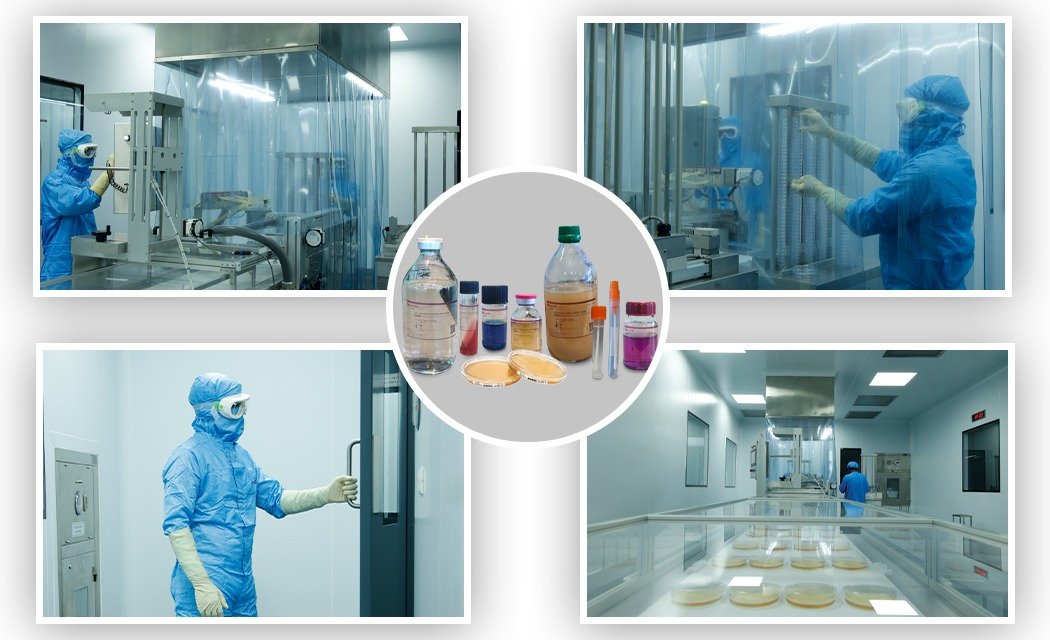
While the filling itself occurs within a Grade A zone under a laminar airflow hood, the surrounding Grade B cleanroom plays a vital role in maintaining the overall environmental integrity. This area is where personnel prepare materials, perform gowning, and where the filled media is transferred. The goal is to minimize the introduction and proliferation of microorganisms, ensuring the Grade A environment remains protected. BiomatiQ’s cleanroom operations reflect this layered contamination control approach, with protocols tailored to reduce bioburden risk throughout the process.
Key Components of a Robust CCS:
Facility Design and Environmental Monitoring:
- Air Handling System: Implementing a well-designed HVAC system with HEPA filtration to maintain the required air cleanliness and pressure differentials. Regular filter integrity testing is crucial.
- Environmental Monitoring Program: Establishing a comprehensive monitoring program that includes viable and non-viable particle counts, surface microbial monitoring, and personnel monitoring. This data provides insights into the effectiveness of the CCS and identifies potential areas for improvement.
- Surface Selection and Cleaning: Selecting smooth, non-porous surfaces that are easy to clean and disinfect. Implementing a validated cleaning and disinfection program using appropriate agents and frequencies.
BiomatiQ’s facility design is built on GMP-compliant architectural principles and reinforced with a robust environmental monitoring system—ensuring control over particulate and microbial contamination across all classified areas.
Personnel Training and Gowning:
- Rigorous Training: Providing comprehensive training on aseptic techniques, cleanroom behavior, and gowning procedures.
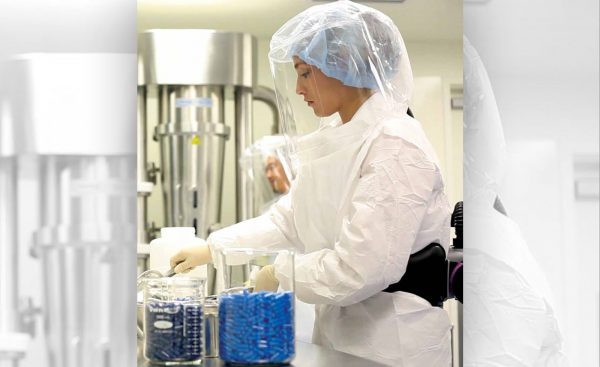
- Proper Gowning: Implementing a strict gowning protocol that minimizes the shedding of particles and microorganisms. Regular gown qualification and monitoring are essential.
- Traffic Control: Implementing procedures to minimize personnel movement within the Grade B area, reducing the risk of contamination.
BiomatiQ ensures all personnel are trained, qualified, and routinely assessed on aseptic practices, gowning discipline, and cleanroom conduct—creating a strong human barrier against contamination in controlled environments and employs unidirectional flow strategies to control personnel and material movement.
Material Handling and Transfer:
- Material Decontamination: Implementing validated decontamination methods for all materials entering the Grade B area, such as surface disinfection or sterilization.
- Controlled Transfer: Establishing controlled transfer procedures to minimize the risk of contamination during material transfer between different cleanroom grades.
- Closed Systems: Where possible, using closed systems for material transfer and filling to minimize exposure to the environment.
BiomatiQ’s material handling & transfer protocols are aligned with GMP guidance.
Process Controls and Validation:
- Validated Filling Process: Validating the aseptic filling process to ensure consistent product sterility.
- Risk Assessments: Conducting thorough risk assessments to identify potential sources of contamination and implement appropriate mitigation measures.
- Documentation and Record Keeping: Maintaining detailed records of environmental monitoring, cleaning, disinfection, and personnel training.
BiomatiQ incorporates rigorous validation protocols, end-to-end process controls, and continuous risk-based assessments to ensure that every batch meets the highest standards of sterility assurance and regulatory compliance.
Microbial Culture Media Specific Considerations:
- Media Sterilization Validation: Validation of the media sterilization process is vital to ensure that all viable organisms are removed before the filling process.
- Bioburden Monitoring of Media: Regular bioburden testing of the media before and after filling can provide a measure of the effectiveness of the CCS.
- Storage and Transportation: Maintaining appropriate storage and transportation conditions to prevent microbial growth and maintain product integrity.
BiomatiQ applies stringent controls throughout the entire lifecycle of microbial culture media—covering sterilization, in-process bioburden monitoring, and validated storage and logistics—to uphold product quality and ensure reliable performance in microbiological testing.
BiomatiQ’s Commitment to Quality:
At BiomatiQ, we understand the critical importance of robust contamination control. Our state-of-the-art facility is designed and operated to comply as per EU GMP Annex-1. Implementation of Contamination Control Strategy with the highest industry standards, including meticulous Grade B cleanroom management, ensuring the sterility and reliability of our pre-poured microbial culture media. We implement all of the above mentioned points to ensure the highest quality product.
Continuous Improvement:
A successful CCS requires continuous improvement through regular reviews, audits, and data analysis. By proactively identifying and addressing potential contamination risks, we can ensure the consistent production of high-quality pre-poured microbial culture media.